10 Essential Tips for Choosing the Perfect Mirror Cabinet for Your Bathroom
Choosing a mirror cabinet for your bathroom can be a daunting task. Expert designer Sarah Langston states, "The right mirror cabinet transforms a space, marrying function with style." This underscores the importance of making informed decisions in your selection process.
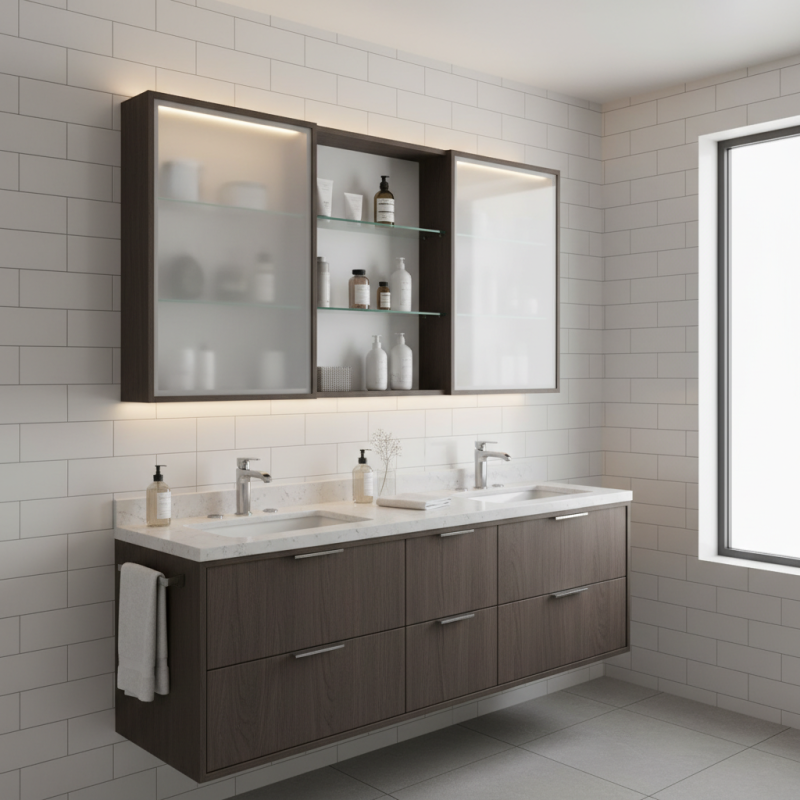
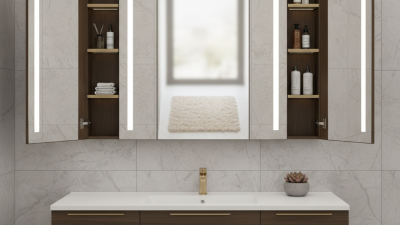
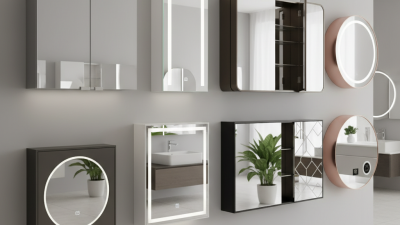
Mirror cabinets vary significantly in design, size, and features. Visualizing how the cabinet fits into your bathroom is crucial. Consider your bathroom's size and the cabinet's depth. A large mirror cabinet might look stunning, but it can overwhelm a small space. On the other hand, a too-small cabinet may not provide adequate storage.
Think about functionality as well. Do you need adjustable shelves? Is the lighting sufficient? Reflect on your daily routines. Mistakes can happen; choosing beauty over function can lead to regret. A well-thought-out purchase will enhance usability and style, ensuring your mirror cabinet serves you well for years to come.
Understanding Your Bathroom Space and Layout
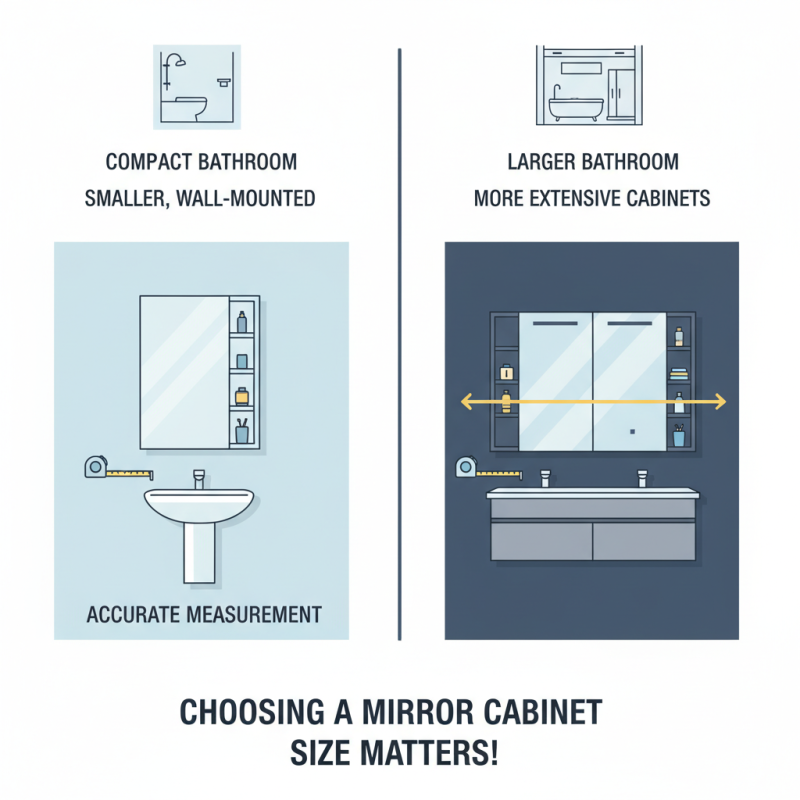
When choosing a mirror cabinet, understanding your bathroom space and layout is crucial. The size of your bathroom may dictate the cabinet's dimensions. A compact bathroom needs a smaller, wall-mounted cabinet. In contrast, larger spaces can accommodate more extensive cabinets. Make sure to measure the available space accurately. An ill-fitting cabinet can disrupt the entire design.
Pay attention to the cabinet's height and position. Placing it too high or low can be inconvenient. It should be accessible for everyone. Lighting is another major aspect. Ensure the mirror cabinet reflects light effectively. A poorly lit area can make it hard to use even the best mirror cabinet. Consider how the layout flows. If you have limited space, avoiding bulky designs can simplify the area. Instead of clutter, aim for a more streamlined look that provides functionality. A mirror cabinet can be a stylish focal point, but balance is key.
Identifying Your Storage Needs and Mirror Preferences
When selecting a mirror cabinet for your bathroom, understanding your storage needs is crucial. Consider what items you use daily. Do you need space for toiletries, makeup, or perhaps extra towels? Think about the dimensions of your bathroom. If space is limited, a compact unit may work best. However, a larger cabinet could accommodate more storage. It’s important to strike a balance.
Mirror preferences also play a big role. Would you prefer a traditional framed design or a sleek, modern look? Take your bathroom's overall style into account. A mismatched cabinet can disrupt the aesthetic harmony. Reflect on how the mirror will enhance the lighting in your space. A bright, well-illuminated area feels more inviting.
Don't forget the finish of the cabinet. It should be durable against moisture. Yet, many often overlook this aspect. There’s a temptation to prioritize style over practicality. Ask yourself if the chosen materials will withstand the test of time. Sometimes, it's easy to get swept away by trends, only to regret it later. Consider all these elements carefully for a truly functional and beautiful addition to your bathroom.
Exploring Different Styles and Finishes for Mirror Cabinets
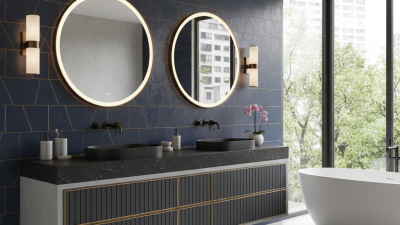
Choosing the right mirror cabinet for your bathroom goes beyond functionality. The style and finish play a crucial role in overall aesthetics. Industry reports show that over 70% of homeowners desire a cohesive look in their bathrooms. A well-chosen cabinet can enhance this harmony. For instance, a minimalist design matches sleek, modern bathrooms, promoting a sense of tranquility.
Materials matter significantly. While glass and wood are popular, durability can vary. About 30% of consumers report issues with water damage on wooden cabinets after a few years. Consider finishes more carefully; matte surfaces may hide fingerprints better than glossy ones. Reflective surfaces can brighten a space but might not fit every personal style.
Incorporating different styles can present a challenge. Mixing modern and vintage elements can lead to clashing aesthetics. While some designs feature sharp lines, others embrace curves. It’s essential to reflect on personal preferences. A cabinet should not merely fit into the space, but resonate with the homeowner. Selecting finishes that resonate with your taste is crucial; this can prevent regrets down the line.
Evaluating Quality and Durability Features in Mirror Cabinets
When selecting a mirror cabinet for your bathroom, evaluating quality and durability is paramount.
Look for materials that can withstand humidity and frequent use. Stainless steel and solid wood are great choices. They resist rust and wear better than particleboard or plastic.
Check the finishes, too; they should be watertight and chip-resistant. Poor-quality finishes could lead to peeling over time.
Consider the hinges and mounting options. Weak hinges can break easily. It’s better to choose sturdy, adjustable hinges. Ensure the cabinet is securely mounted to avoid accidents. Sometimes, overlooked details can result in frustration later.
Review the interior space and organization features as well. A flimsy shelf can’t hold heavy items. Think twice if you notice flimsy components. Durability matters more than aesthetics in the long run.
Keep these aspects in mind to make a wise purchase.
Setting a Budget and Comparing Price Options for Mirror Cabinets
Setting a budget and comparing price options for mirror cabinets can be tricky. With various designs and sizes, prices can vary widely. Reports show that the average cost of a bathroom mirror cabinet ranges from $150 to $600. Higher-end models may exceed this range, but they often come with added features. For instance, some have built-in lighting or anti-fog technology.
It's important to outline your budget before shopping. A good rule of thumb is to allocate about 10% of your bathroom renovation budget to mirror cabinets. If your total budget is $3,000, aim for a cabinet priced around $300. Consider your priorities. Are you looking for functionality, aesthetics, or both? Keep in mind that cheaper options may lack durability or style.
When comparing prices, take note of dimensions and additional features. Some cabinets offer smart innovations while others might appear appealing but lack practical use. You may find that investing in a mid-range cabinet is wise, as it balances quality and cost. Analyze reviews and feedback to avoid common pitfalls. A higher price does not always guarantee better value.
Price Comparison of Mirror Cabinets