Top Quality Wooden Cabinets for Global Buyers What to Look For?
When considering top-quality wooden cabinets, buyers need to focus on craftsmanship and material. Renowned expert in the field, John Anderson, emphasizes, "The heart of a wooden cabinet lies in its details." His insight highlights the importance of attention to craftsmanship.
Quality wooden cabinets serve both beauty and function. Buyers must examine the wood type, finish, and joinery. Hardwoods like oak and maple offer durability. However, not all woods are created equal. Some may warp or discolor over time. It’s essential to ask detailed questions about the wood’s origin and treatment.
Sustainability is another crucial factor. Many buyers overlook where the wood comes from. Ethical sourcing can impact the quality and longevity of cabinets. Reflecting on quality, we must allow ourselves to challenge the initial beauty of a wooden cabinet. What looks perfect might require deeper investigation. In this competitive market, understanding these aspects can lead to a wise investment.
Key Features of High-Quality Wooden Cabinets: Materials and Construction
When selecting high-quality wooden cabinets, materials and construction are crucial factors to consider. The type of wood plays a significant role in durability and appearance. Hardwoods like oak, maple, and cherry are known for their strength and resistance to wear. They also offer beautiful grain patterns, enhancing the aesthetic appeal. On the other hand, softwoods like pine can be less durable but are often lighter and more budget-friendly.
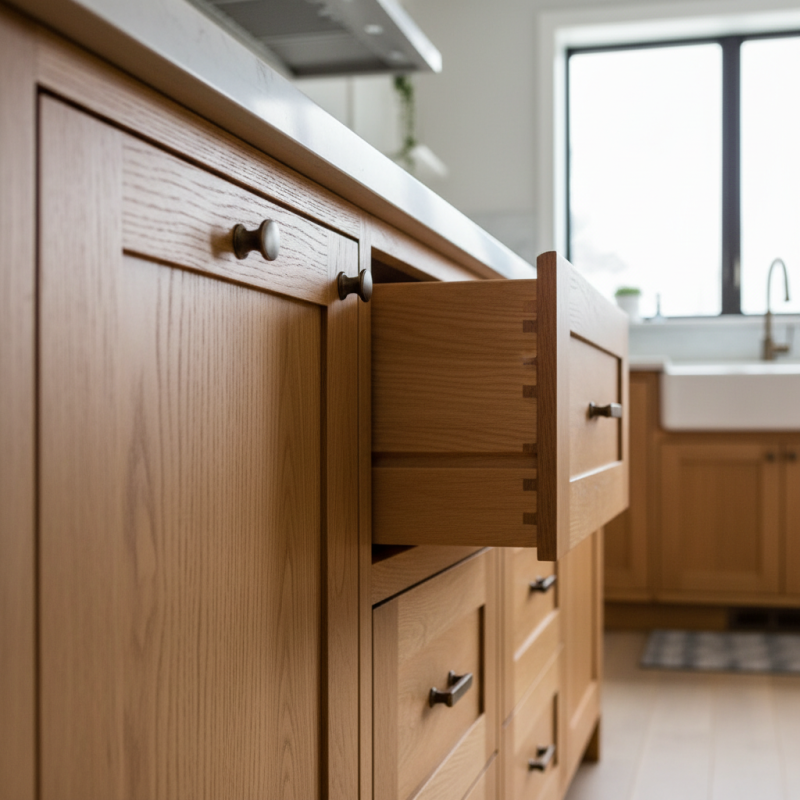
The construction method is equally essential. Look for cabinets that use solid wood for frames and doors. This adds to the cabinet's stability and longevity. Plywood or engineered wood can also be beneficial, provided they are of high quality. Joints should be strong, ideally using dovetail or mortise-and-tenon techniques. It's worth noting that some manufacturers cut corners in construction, sacrificing quality for cost.
Finishes matter too. A good finish protects the wood while enhancing its natural beauty. Look for cabinets with a multi-coat finish to ensure durability. However, be cautious; sometimes finishes can hide flaws. Inspect the surface closely for blemishes or inconsistencies. Remember that true quality shines through even in the tiniest details.
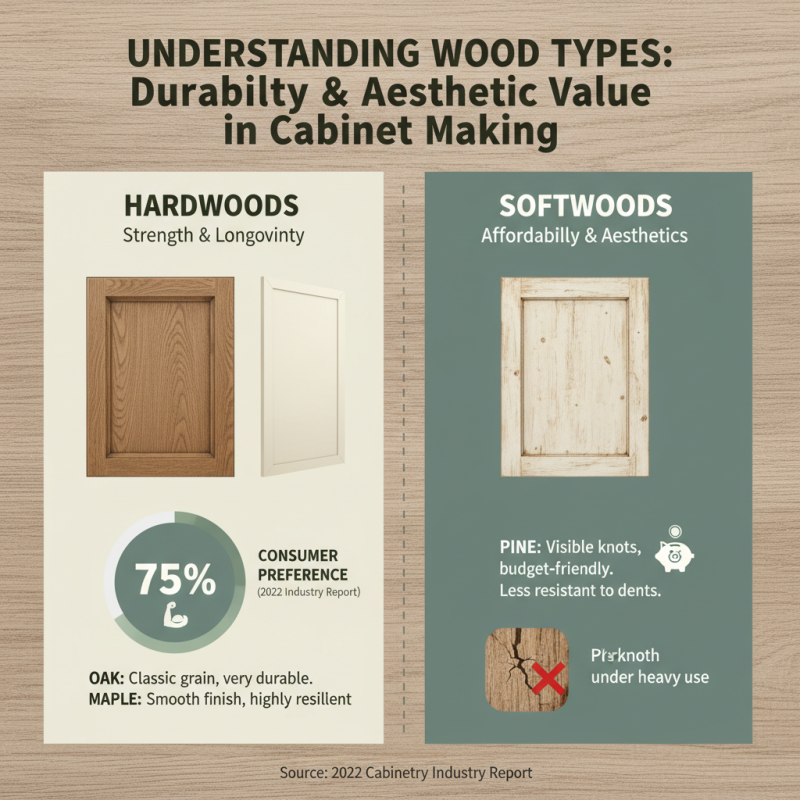
Understanding Wood Types: Durability and Aesthetic Value in Cabinet Making
When choosing wooden cabinets, understanding the wood types is crucial. Different woods offer varying levels of durability and aesthetic appeal. Hardwoods like oak and maple are often favored for their strength. Data from a 2022 industry report reveals that 75% of consumers prefer hardwood cabinets for their longevity. In contrast, softwoods like pine are more affordable but may not withstand heavy use as well.
Aesthetics play a vital role in cabinet selection. For example, oak has a prominent grain that appeals to traditional designs, while birch offers a sleek, modern look. According to recent surveys, 65% of buyers consider the visual impact when selecting their cabinets. It's essential to balance durability with style. Some buyers may underestimate how wood finishes can enhance or detract from a cabinet's overall look.
Reflecting on wood options can be daunting. Not every wood type suits every environment. Humidity can warp softer woods. On the other hand, more expensive hardwoods may exceed budget constraints. Potential buyers need to weigh their priorities: aesthetic value versus practicality. Making an informed decision involves understanding both the beauty and challenges of each wood type.
Sustainability Trends in Wooden Cabinet Production and Sourcing Practices
Sustainability is a critical factor in today’s wooden cabinet production. Many buyers prioritize eco-friendly practices. They look for materials sourced from responsibly managed forests. Certifications can help assess these standards. It's important to ask how wood is harvested and processed. Transparency in sourcing is essential for informed purchasing decisions.
Unique designs and craftsmanship add value to wooden cabinets. However, one must consider the environmental impact of such intricate work. Sustainable cabinets often utilize reclaimed wood or recycled materials. These options reduce waste and preserve natural resources. Not all manufacturers emphasize these methods, leading to varying quality.
Buyers should be wary of greenwashing. Some companies might claim sustainability without evidence. Research and ask questions about a brand's sourcing practices. Understand the longevity of the materials used. Solid craftsmanship can mean fewer replacements over time, indirectly benefiting the environment. The journey toward sustainable practices is ongoing. It requires consumers to remain vigilant and proactive.
Global Market Analysis: Pricing Trends and Consumer Preferences in Cabinetry
The global cabinetry market is witnessing significant shifts. Pricing trends vary widely from region to region, influenced by factors such as material costs and local craftsmanship. In many high-demand areas, quality wooden cabinets can command premium prices. Consumers increasingly seek unique designs and sustainable materials. A focus on eco-friendliness shapes buying decisions, pushing brands to adopt greener practices.
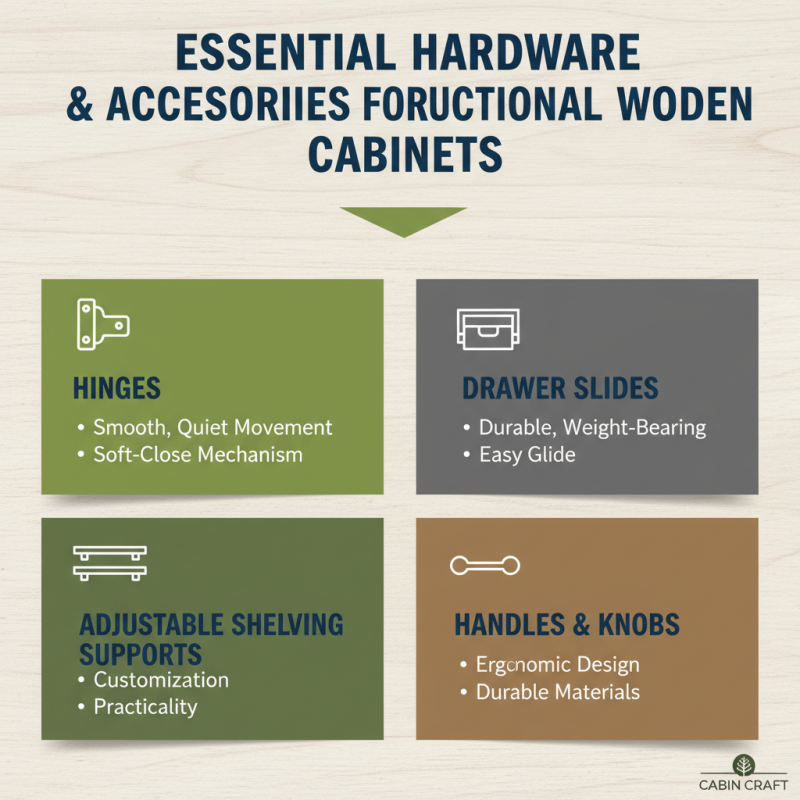
Consumer preferences also emphasize functionality. Buyers want cabinets that combine style with practicality. Features like soft-close doors, adjustable shelves, and customizable designs are gaining popularity. However, potential buyers must be cautious. Not all marketed products meet quality expectations. They should research materials and read customer reviews before making a purchase. Quality can sometimes be subjective, leading to mismatched expectations.
Additionally, regional styles play a crucial role in consumer choices. Some areas prefer modern, minimalist aesthetics, while others value traditional craftsmanship. Trends can shift quickly, making it challenging for manufacturers to keep up. Understanding these nuances is essential for suppliers aiming to meet global demand. Balancing cost with quality remains a persistent challenge in the market today.